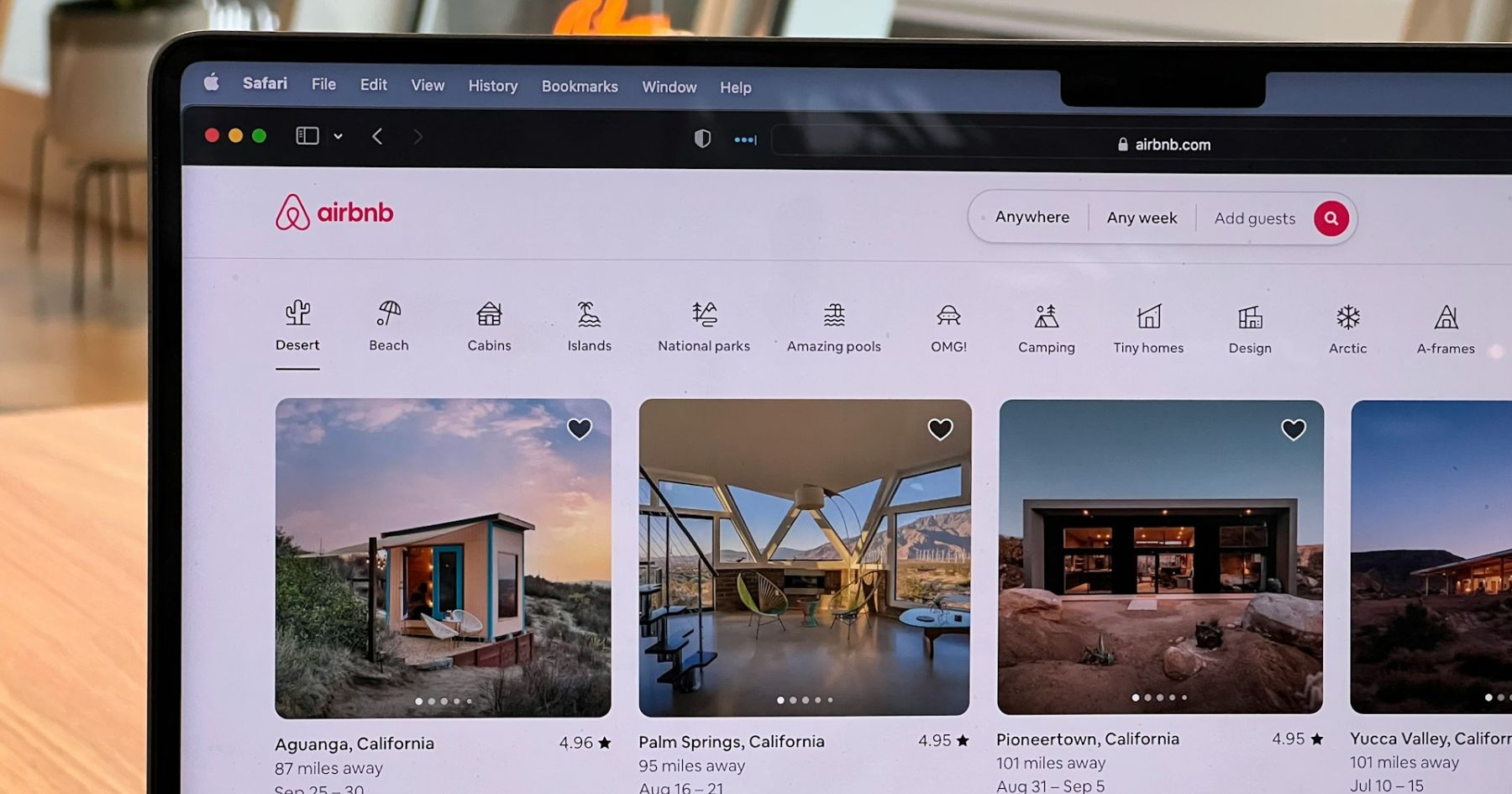





When it comes to vacation rental properties, a captivating name can make all the difference. Well-chosen vacation rental names can not only grab the attention of potential guests but also boost your bookings. Here are expert tips and tricks to help you select vacation rental names that stand out and attract more visitors to your property.
1. Reflect the Unique Features of Your Property
Your vacation rental name should highlight the unique features or characteristics of your property. This helps potential guests quickly grasp what makes your rental special and why they should choose it over others.

Here’s a more detailed breakdown of how to achieve this:
Highlight the Natural Surroundings of Your Vacation Rentals
If your property is located in a scenic area, use elements of the natural landscape to your advantage. Highlighting features such as beaches, mountains, forests, or lakes can create a vivid image in the minds of potential guests.
Examples:
- Oceanfront Oasis: Emphasizes a beachfront location, suggesting relaxation and stunning views.
- Pinewood Retreat: Suggests a serene, wooded environment perfect for a peaceful getaway.
- Mountain View Chalet: Conveys a picturesque mountain setting, ideal for nature lovers and hikers.
Emphasize the Architectural Style of the Vacation Rental Property
The architectural style of your vacation rental property or its design can also be a unique selling point. Whether it’s a rustic cabin, a modern loft, or a historic cottage, incorporating this into the name can attract guests who appreciate certain styles.
Examples:
- Rustic Cabin Retreat: Indicates a cozy, rustic atmosphere ideal for a countryside escape.
- Modern Loft Haven: Appeals to guests looking for contemporary design and urban convenience.
- Historic Cottage Charm: Attracts those who appreciate heritage properties with character and history.

Feature Amenities and Luxuries
Highlighting unique amenities or luxuries can make your property more appealing. Think about special features like private pools, hot tubs, fireplaces, or spacious decks with views.
Examples:
- Sunset Villa: Suggests a property with stunning sunset views, perhaps from a spacious terrace.
- Poolside Paradise: Emphasizes a luxurious pool area, ideal for families or groups looking to relax.
- Fireplace Haven: Indicates a cozy spot perfect for cooler evenings, enhancing the appeal during winter months.
It might be the case that you have a vacation property that fits multiple categories. In that case, you’ll need to consider who is staying there and why to chose the name for your vacation rental.
2. Consider Your Target Audience
Understanding your target audience is crucial when choosing vacation rental names. Are you catering to families, couples, adventure seekers, or business travelers? Tailor your name to appeal to your ideal guests. Family-friendly names might evoke a sense of fun and adventure, while names for couples could emphasize romance and tranquility.
The size and capacity of your vacation rental can also be a distinguishing feature. Whether it’s a cozy retreat for couples or a large home for family gatherings, your name can reflect its suitability for different guest groups.
Examples:
- Cozy Couple’s Hideaway: Perfect for couples seeking a romantic getaway.
- Family Funhouse: Suggests a spacious property with plenty of amenities for families.
- Group Getaway Lodge: Appeals to larger groups looking for ample space and comfort.
3. Keep It Short and Memorable
A vacation rental name should be easy to remember and pronounce. Short, catchy names (two to four words) are more likely to stick in the minds of potential guests. Avoid overly complicated or long names that could be easily forgotten or mispronounced.
If you use overly complex names while naming your vacation rental this can also create SEO issues later on as the title of your property will be truncated (e.g. cut off) where it appears in Google or other search engines. This means potential guests might be confused or unable to see the details after the first 50 characters of the title in a search but we’ll touch on this in more detail later.

4. Use Descriptive and Evocative Words
Choose words that evoke a sense of place, emotion, or experience. Descriptive words can paint a picture in the minds of potential guests, making your property more appealing. Think about the atmosphere and experience you want to convey.
If your vacation rental property is especially appealing during certain seasons, incorporating this aspect into your name can attract guests looking for seasonal experiences. Highlighting how your property shines during summer, winter, or any other specific season can enhance its attractiveness.
Examples:
- Winter Wonderland Chalet: Perfect for a cozy winter escape with opportunities for skiing and snowboarding.
- Summer Breeze Cottage: Ideal for a summer vacation, close to the beach or with great outdoor activities.
- Autumn Harvest Haven: Captures the essence of a fall getaway with nearby foliage and harvest festivals.
5. Emphasize Proximity to Activities
If your vacation rental is located near popular activities or entertainment options, use this to your advantage. Names that highlight proximity to hiking trails, water sports, nightlife, or cultural attractions can draw guests looking for specific experiences.
Additionally, adding a touch of local culture or geography to your vacation rental name can enhance its appeal. Use local landmarks, towns, or cultural references to create a sense of place and authenticity.
Examples:
- Hiker’s Paradise Lodge: Attracts outdoor enthusiasts eager to explore nearby hiking trails.
- Beachfront Adventure House: Perfect for guests looking to enjoy water sports and beach activities.
- Urban Explorer Loft: Appeals to those wanting to explore the city’s nightlife and cultural hotspots.
6. Check for Availability and Uniqueness
Before finalizing your vacation rental name, make sure it’s unique and not already in use. A quick online search can help you avoid potential conflicts and ensure your property stands out. Additionally, check domain availability if you plan to create a website for your rentals. You can search vacation rental platforms and Google to ensure the name isn’t already taken.
7. Think About SEO
Incorporating relevant keywords into your vacation rental name can help improve your property’s visibility in search engines. By strategically using keywords, you can attract more potential guests who are searching for specific types of accommodations. Here are some detailed steps and tips to effectively integrate SEO into your vacation rental naming process:
Identify Relevant Keywords
Start by researching the keywords potential guests are likely to use when searching for vacation rentals. Tools like Google Keyword Planner, Moz, or SEMrush can help you identify popular search terms related to your property’s location, type, and features. Consider keywords like:
- Location-Based Keywords: These include the name of the city, neighborhood, or nearby attractions. Examples: “vacation rental near Miami Beach,” “vacation house in Napa Valley.”
- Feature-Based Keywords: Highlight specific amenities or unique features of your property. Examples: “vacation home with a pool,” “cabin with a hot tub,” “pet-friendly vacation rental.”
- Experience-Based Keywords: Focus on the type of experience guests are seeking. Examples: “romantic getaway cottage,” “family-friendly beach house,” “luxury mountain lodge.”
Integrate Keywords Naturally
Once you have identified relevant vacation rental keywords, incorporate them naturally into your vacation rental name and property description. Avoid keyword stuffing, which can make the name awkward and less appealing. Instead, aim for a seamless integration that enhances readability and attractiveness.
Examples:
- Seaside Vacation Home: Targets those searching for a vacation rental near the beach.
- Mountain Escape Rental: Appeals to guests looking for a vacation house in the mountains.
- Cozy Cottage Retreat: Attracts visitors searching for a vacation home with a cozy atmosphere.
Use Long-Tail Keywords
Long-tail keywords are longer and more specific phrases that potential guests might use. They often have lower search volumes but higher intent, meaning they can attract guests who are more likely to book.
Examples:
- Luxury Beachfront Villa in Malibu: Attracts high-end travelers looking for a specific experience.
- Pet-Friendly Cabin Near Yellowstone: Draws guests traveling with pets who want to stay near Yellowstone National Park.
- Romantic Log Cabin in Blue Ridge Mountains: This appeals to couples looking for a romantic getaway in a specific mountain range.
Optimize Your Property Description
Beyond the name, ensure that your property description includes relevant keywords. This can further boost your SEO and help your listing appear in more search results. Describe the location, features, and experiences your property offers, incorporating keywords naturally throughout the text.
Example Description:
“Welcome to our Cozy Cottage Retreat, a charming vacation rental near Asheville. Nestled in the heart of the Blue Ridge Mountains, this pet-friendly cabin offers stunning views, a private hot tub, and easy access to hiking trails. Perfect for families, couples, and adventure seekers.”
8. Test Your Rental Name
Before you make a final decision, test your vacation rental name with friends, family, or even past guests. Gather feedback to see if the name resonates and is easy to remember. Their insights can be invaluable in choosing the perfect name.
Putting It All Together
When reflecting the unique features of your property in its name, aim for a combination of descriptive words that paint a clear picture and evoke an emotional response. Think about what guests will experience during their stay and use that as inspiration for a name that not only describes the property but also sells the experience.
By incorporating these unique characteristics into your vacation rental name, you’ll create a strong first impression that resonates with potential guests and sets your property apart from the competition.


)